Packaging paper, parcel paper, drawing paper, or writing paper. Many artists favor paper as a medium to express their creativity outside of academic paths—a surface that resonates with emotions and freely reflects an inner journey through an intimate, invisible dialogue with the author.
“In-carta-ti” features nine artists and around twenty works. Each artist interprets paper through their own unique style, telling diverse stories, born of a spontaneous sensibility filtered only by personal experience.
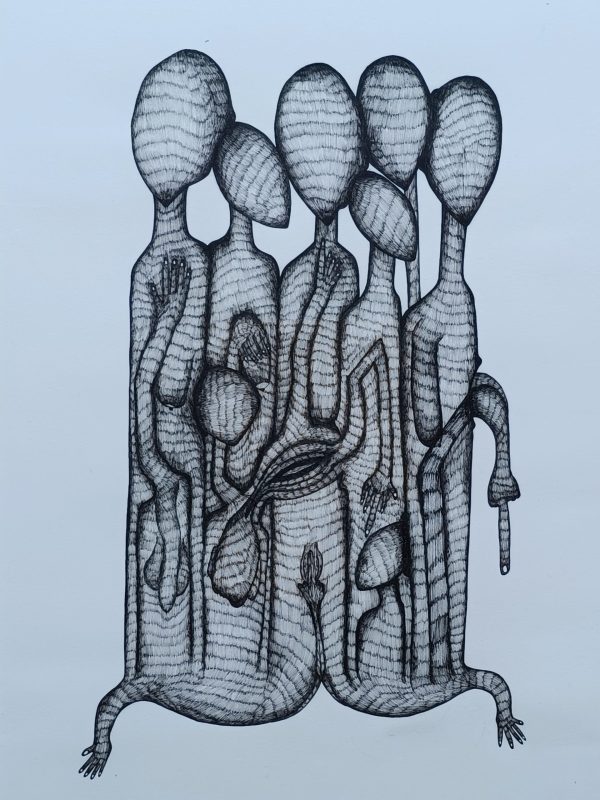
Samaneh Atef obsessively fills her sheets with original stylistic motifs, seeking a balance between the anguish of womanhood and the quest for freedom.
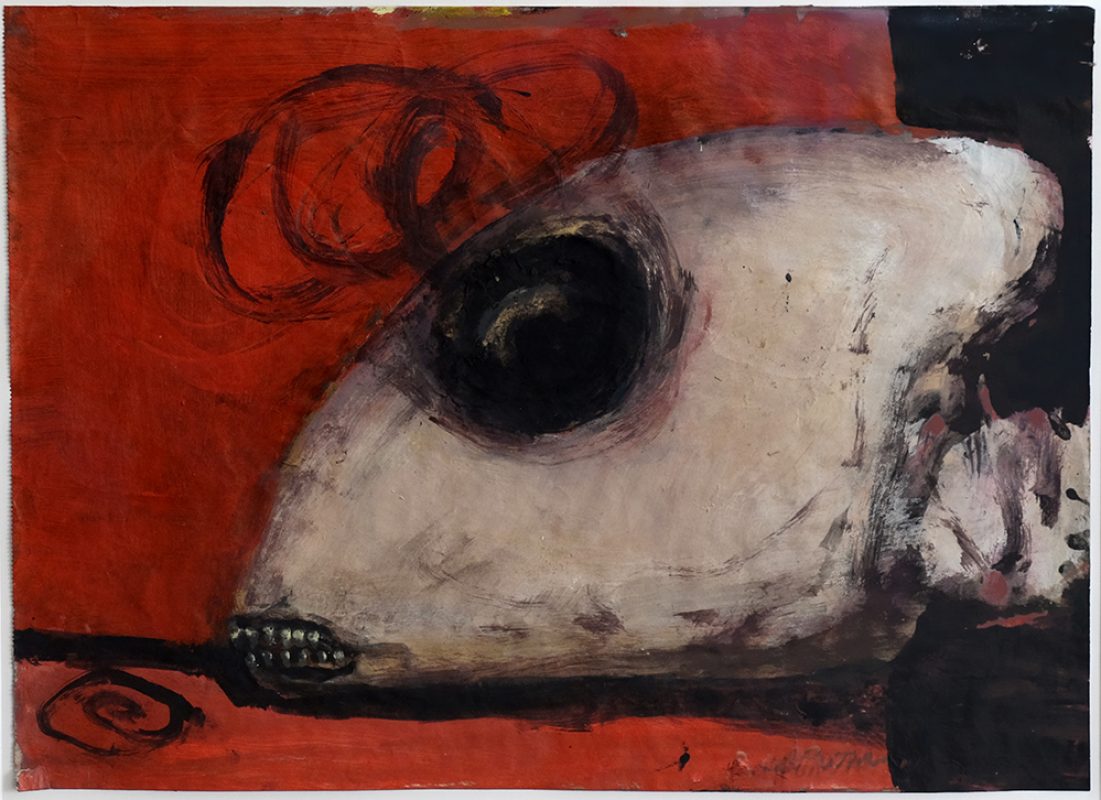
Set against rich, textured backgrounds of stunning colours, powerful and striking images—fish heads, skeletons, self-portraits—emerge; Raffaele Capuana’s works bear witness to the torment of constant introspection bordering on estrangement.
Davide Cicolani chooses parcel paper or recycled paper—easy to fold and store, and thus ideal for his nomadic lifestyle. His sheets unfold to reveal intricate weaves, linear traces, and portraits of immense graphic power.
Secret messages inscribed on slips of paper hidden within sculptural cocoons; notebooks filled with a single repeated word. Antonio Dalla Valle’s enigmatic creations are sensitive and subjective, reminiscent of maps of unknown lands.
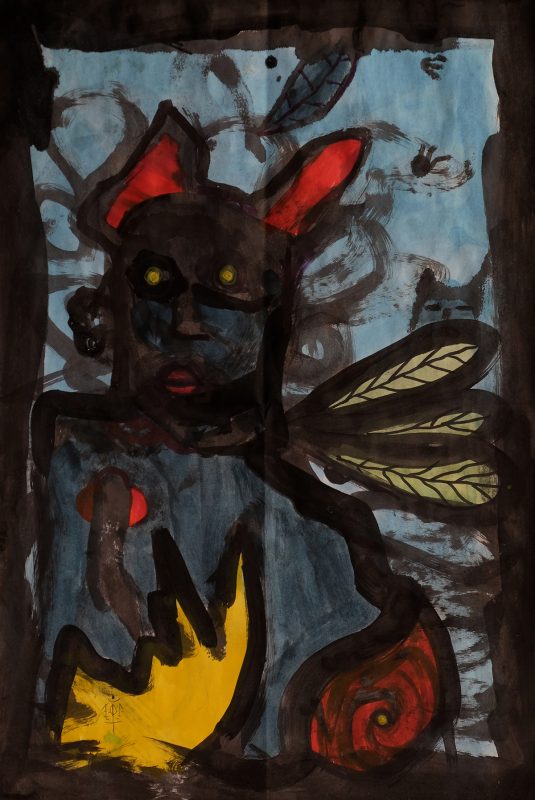
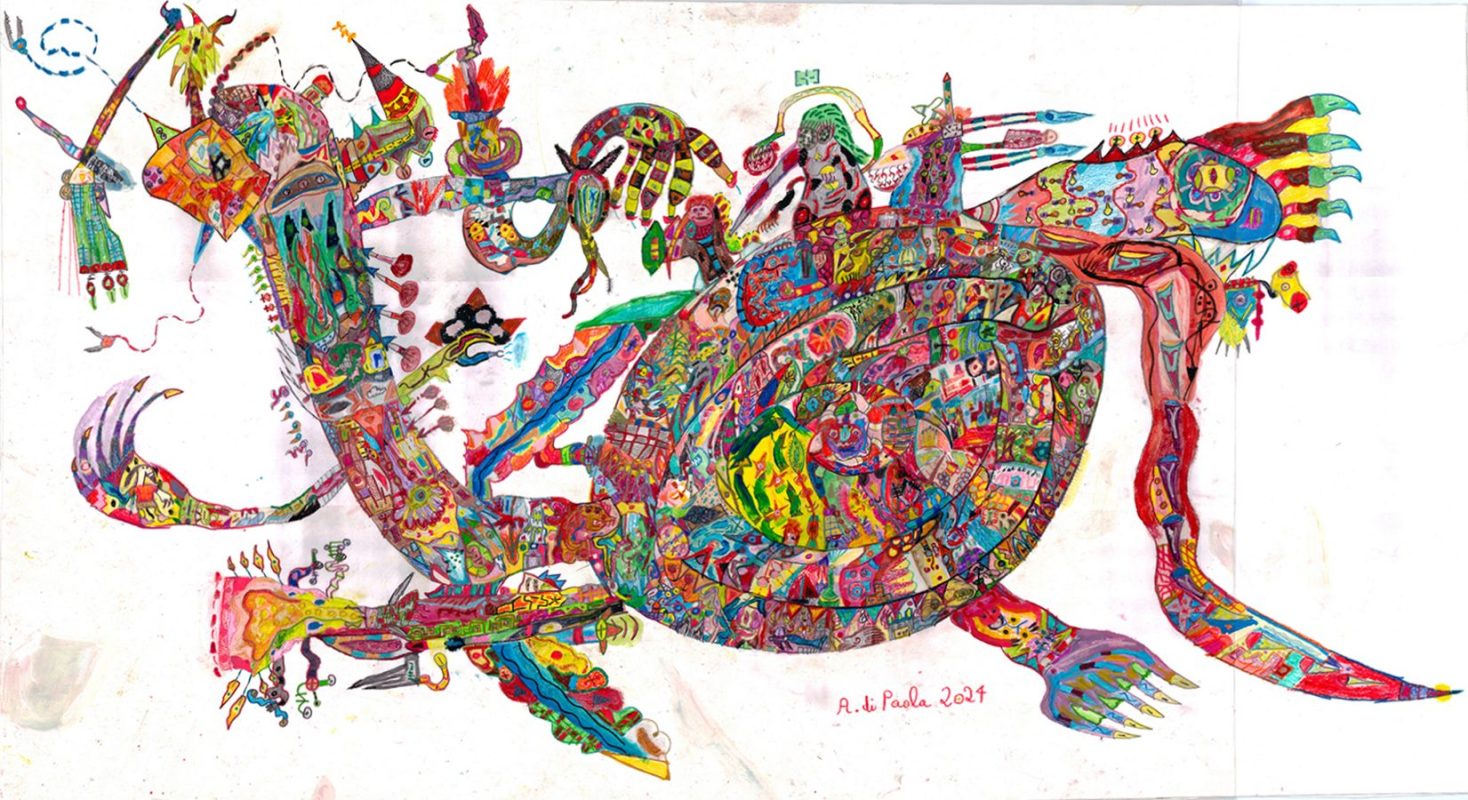
Antonio Di Paola works exclusively on large sheets of paper to draw his vividly colored totem-monsters, which reflect the anxieties of “Generation Z”—digital natives fueled by the frenzy of video games and social media.
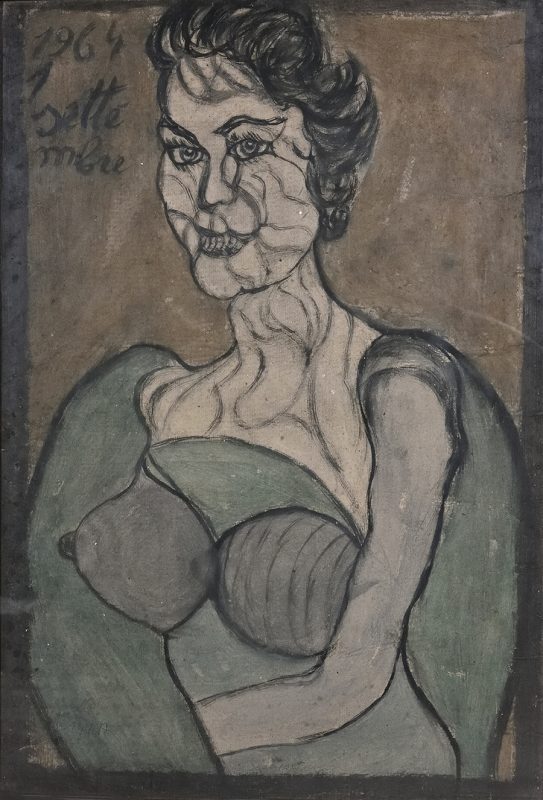
On lightweight packaging cardboard, Pietro Ghizzardi paints his own personal *Dolce Vita* on both sides: portraits of voluptuous women rendered using unconventional materials such as charcoal, crushed brick, earth pigments, berries, and herbs.
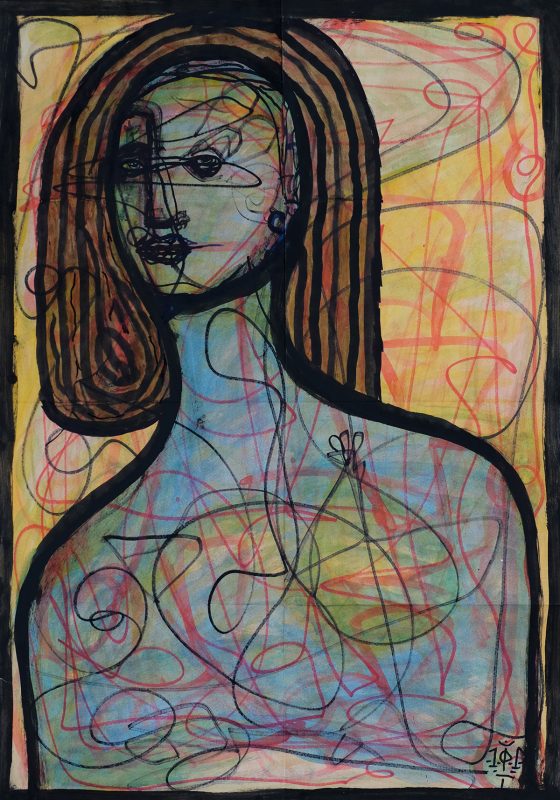
Tarcisio Merati also uses large sheets of paper to paint a highly personal, uninhibited alphabet in an explosion of incandescent, swirling colors. In the art studio of the psychiatric facility where he resides, Merati discovers painting as a means to “rebirth” himself.
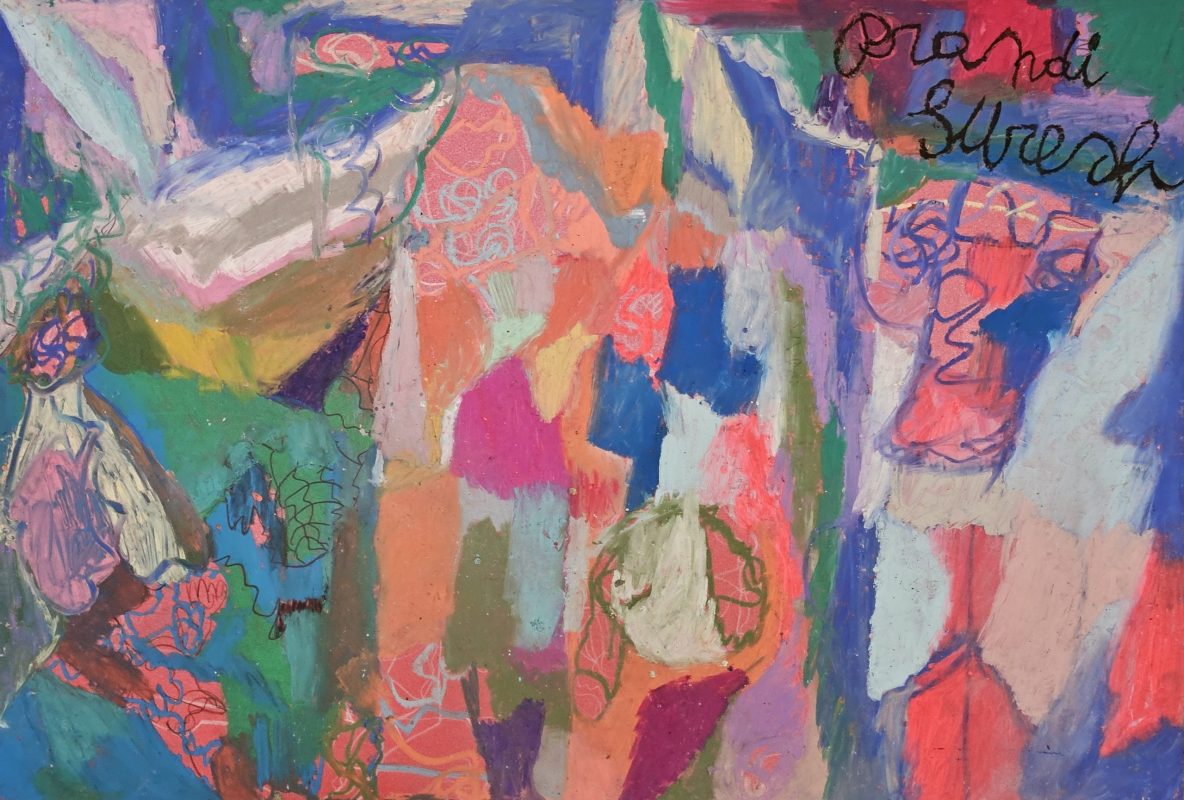
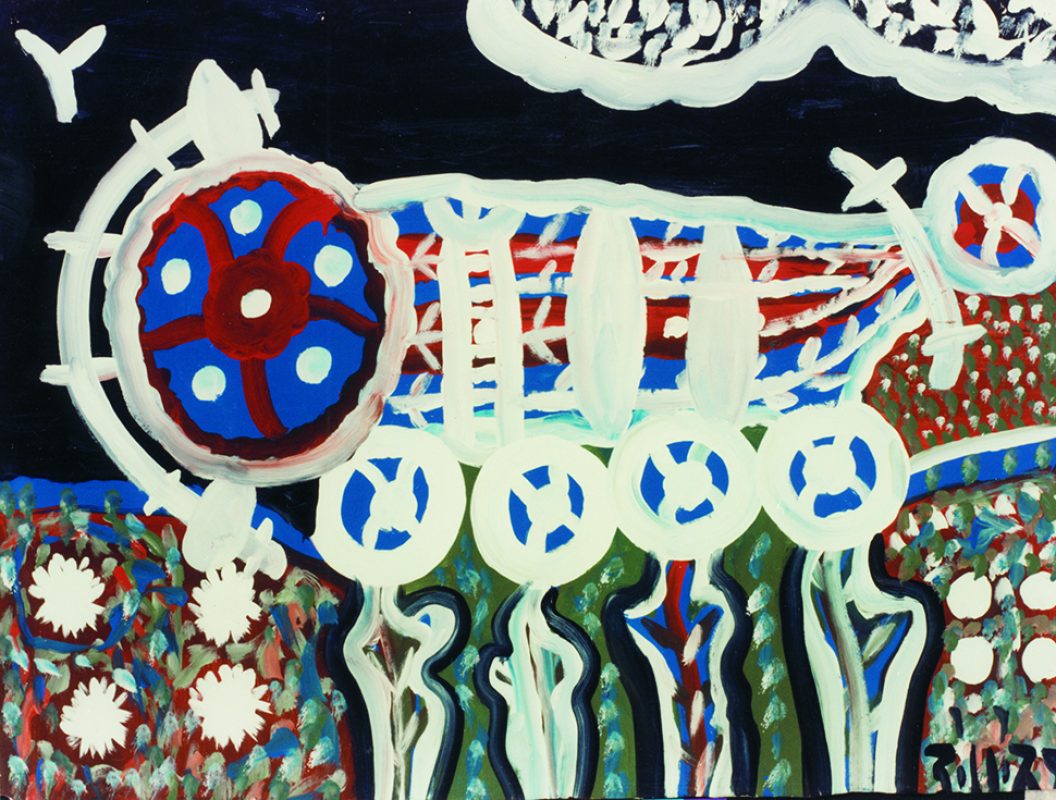
Suresh Prandi delves into his own desires, expressing them through a palette of textured colors on black cardstock provided by the painting studio at the Nazareno social cooperative.
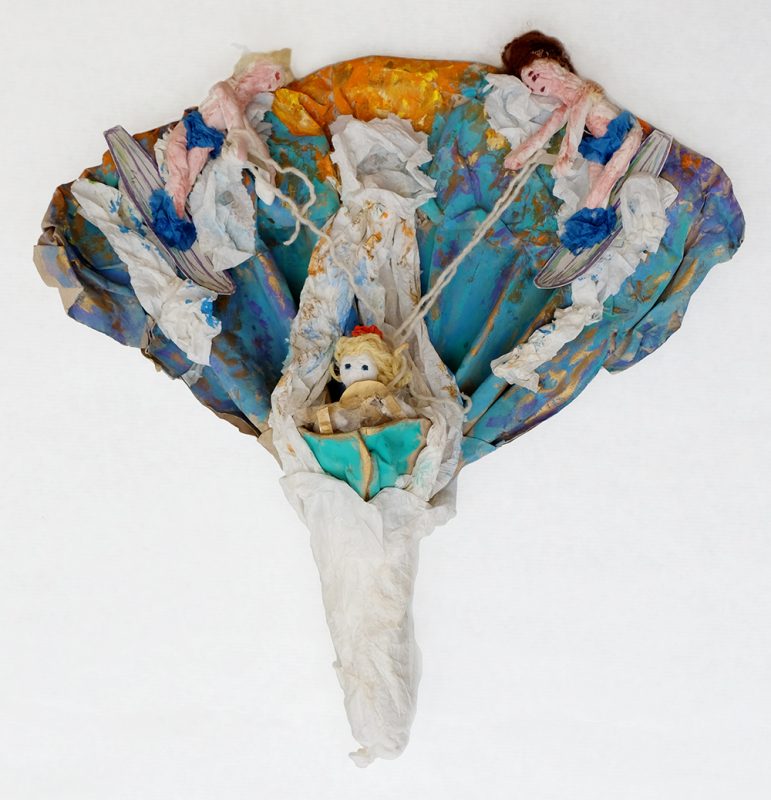
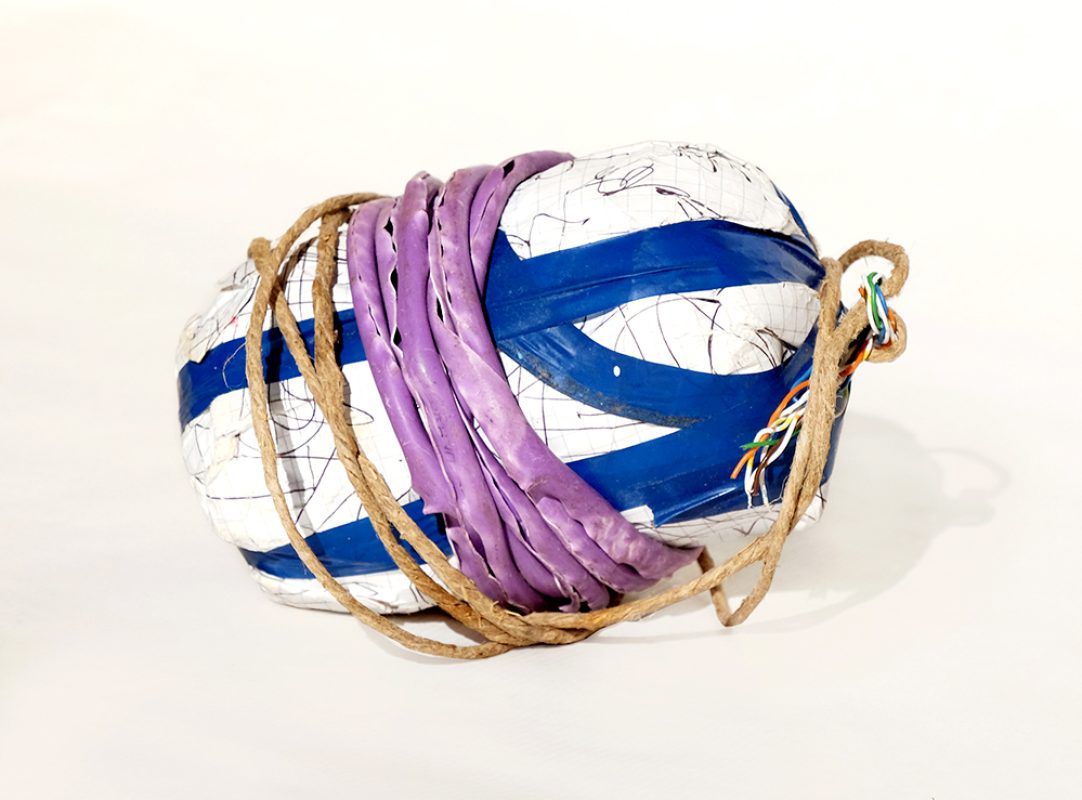
Anna Maria Tosini went from being an exuberant socialite to a resident of a care facility for the mentally ill and the frail elderly. Rather than succumbing to depression, she creates small paper sculptures and drawings to give form to her memories. Anna Maria repurposes paper napkins, butcher paper, wrapping paper, leaves, dried orange peels, ribbons, and cardboard pastry trays.
Su cartoni leggeri da imballaggio Pietro Ghizzardi (Viadana, Mantova, 1906 – Boretto, Reggio Emilia 1986) dipinge, da ambo i lati, la sua personale Dolce Vita: ritratti di donne dalle forme voluttuose pitturate utilizzando materiali non convenzionali, carbone, mattone tritato, terre, bacche ed erbe.
Anche Tarcisio Merati (Bonate Sopra, Bergamo, 1934 – Bergamo, 1995) utilizza grandi fogli per dipingere un suo personale e liberissimo alfabeto, in un’esplosione di colori incandescenti e vorticosi. Nell’atelier dell’istituto psichiatrico dove è ricoverato, Merati scopre la pittura per ‘ripartorire’ se stesso.
Suresh Prandi (Bangalore, India, 1998) scava nei propri desideri e li esprime in una tavolozza di colori materici su cartoncino nero, fornito dall’atelier di pittura all’interno della Cooperativa sociale Nazareno.
Anna Maria Tosini (Palermo, 1930-2013), da esuberante protagonista mondana a reclusa in una struttura assistenziale per malati di mente e anziani non autosufficienti. Invece di cadere in depressione crea piccole sculture di carta e disegni per dare corpo ai suoi ricordi. Anna Maria ricicla tovaglioli di carta, carta da pane e da pacchi, foglie, bucce d’arancia essiccate, nastri, vassoi di cartone per dolci.
Galleria Maroncelli 12 – Milano
Copyright © 2024 – Tutti i diritti riservati